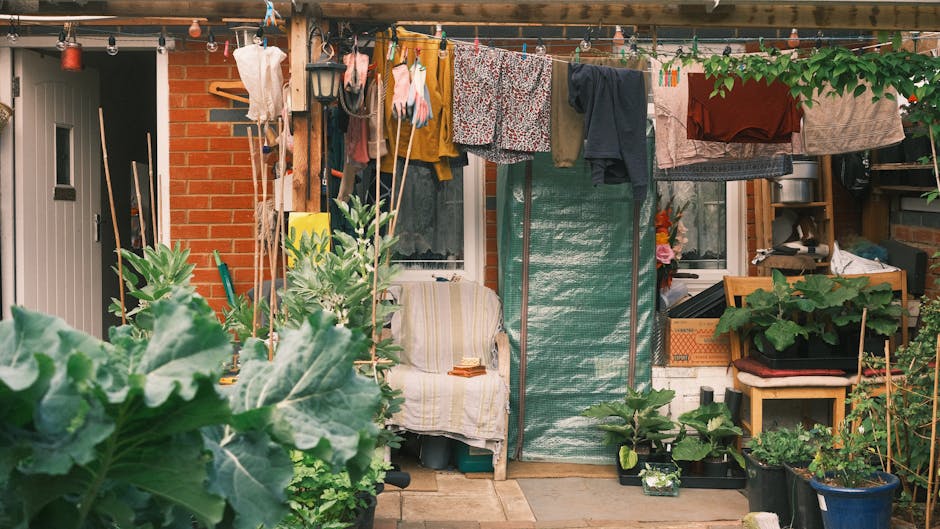
Hayes gardeners guide to small front yards near Hayes station
If you live near Hayes station, you probably already know the reality: front gardens are often compact, visible from the street, and expected to do quite a lot of heavy lifting. They need to look tidy, feel welcoming, and stay manageable through busy weeks, wet weather, and the odd patch of shade from a fence or nearby tree. This Hayes gardeners guide to small front yards near Hayes station is built for exactly that kind of space. It focuses on practical ideas that make a small front yard look smarter without turning it into a maintenance headache.
Whether you want a cleaner entrance, better planting, less weekly effort, or a full rethink of the layout, the trick is the same: keep it simple, choose the right structure, and make every square metre earn its keep. Truth be told, small front gardens are often easier to improve than big ones - if you know where to start.
Table of Contents
- Why this matters for small front yards near Hayes station
- How the approach works
- Key benefits and practical advantages
- Who this is for and when it makes sense
- Step-by-step guidance
- Expert tips for better results
- Common mistakes to avoid
- Tools, resources and recommendations
- Law, compliance, standards and best practice
- Options, methods and comparison table
- Case study or real-world example
- Practical checklist
- Conclusion
- Frequently asked questions
Why Hayes gardeners guide to small front yards near Hayes station Matters
Small front yards do more than sit there looking pleasant. Near a station, they tend to sit in a very public spot, which means they quickly set the tone for the whole property. A neat, well-planned frontage can make a modest home feel brighter, calmer, and more cared for. A messy one does the opposite. Bit harsh, but true.
In areas with commuter traffic, narrow paths, and little spare room, the usual "just add more plants" approach falls apart fast. You need a design that respects the size of the space, the daily footfall, and the fact that people rarely have time for complicated upkeep on a Tuesday evening. That is why local experience matters. A good gardener does not simply fill the area; they shape it so it works.
There is also a practical side. Small front gardens near Hayes station often deal with compacted soil, limited sunlight, moisture from shade, and the wear and tear of regular use. If you ignore those conditions, even attractive planting can struggle. If you work with them, though, the results can look polished for years with surprisingly little effort.
For many homeowners, the front yard is the part guests see first and the bit you pass every day without really noticing. Improving it changes the feel of coming home. That sounds small, but it adds up.
How Hayes gardeners guide to small front yards near Hayes station Works
The right approach starts with measurement, not shopping. In a small yard, every decision affects three things at once: appearance, access, and upkeep. A border that looks lovely on paper may make the path too tight. A feature that looks elegant from the road may create a damp, awkward corner behind it. So the first job is to read the space properly.
Think of the process in layers:
- Layout: where people walk, where the door sits, and how the space is viewed from the street.
- Structure: edging, paving, low walls, raised beds, or simple lines that hold the garden together.
- Planting: compact shrubs, evergreens, seasonal colour, and ground cover that suits the conditions.
- Maintenance: how often the space needs mowing, trimming, watering, sweeping, and general tidying.
Once those basics are set, the garden starts to feel intentional. That is the difference between "a small patch in front of the house" and a proper front garden. You notice it immediately when you arrive home in the evening and the path is clear, the lines are crisp, and the plants still look balanced even in winter.
For some properties, the solution is mainly cosmetic: reset edges, refresh mulch, trim back overgrowth, and sharpen the entrance. For others, the space needs a more strategic rebuild, sometimes with help from landscape gardening or careful landscaping to improve drainage, access, and overall proportion.
Key Benefits and Practical Advantages
The best front garden improvements near Hayes station are not flashy. They are sensible, durable, and easy to live with. That may sound unglamorous, but it is exactly what keeps a small frontage looking good month after month.
- Better kerb appeal: a neat entrance makes the whole home feel more inviting.
- Less day-to-day work: the right planting and structure reduce routine maintenance.
- Stronger seasonal interest: a balanced mix of evergreen and flowering plants keeps the space alive through the year.
- Improved access: clear paths and sensible edging make it safer and easier to use.
- More usable space: even a tiny front yard can hold storage screening, a small planting scheme, or a tidy sitting area if planned properly.
One of the biggest advantages is visual breathing room. In a compact space, clutter feels louder. If the garden is crowded with too many plant shapes, mixed materials, and random ornaments, it looks smaller. Keep the plan simple and the space suddenly feels larger. Funny how that works.
Another benefit is resilience. A well-chosen small garden copes better with weather swings, dry spells, and busy daily life. You are not constantly rescuing it. That matters a lot in real homes, not just in glossy garden magazines.
Who This Is For and When It Makes Sense
This guide is useful if your front yard is small, visible, and a bit underwhelming. That might mean a narrow strip outside a terrace, a modest semi with limited frontage, or a tiny town-style garden close to the station where practical access matters more than decorative fuss.
It makes sense if you are:
- wanting a smarter entrance without a full rebuild;
- preparing a property for sale or letting;
- fed up with weeds, overgrowth, or a tired-looking border;
- trying to reduce weekly maintenance;
- looking for a layout that suits both adults and children moving in and out of the home;
- dealing with patchy shade, poor soil, or awkward drainage.
Sometimes the need is obvious. Other times it creeps up slowly. The front garden used to look fine, then the shrubs got too big, the lawn turned patchy, and the path started feeling narrower every month. By the time people call a gardener, they often want two things at once: a quick reset and a more sensible long-term plan.
If you are unsure where your project sits, a good place to start is a simple service review through the services overview and then a discussion about what the space actually needs rather than what looks nice in theory.
Step-by-Step Guidance
Small front gardens reward methodical work. There is no need to overcomplicate it, but there is a right order to things. Skip around too much and you can end up with pretty plants in the wrong place. Happens all the time.
- Measure and observe the space. Note the width of the path, the amount of daylight, where water collects, and how people naturally move through the area.
- Clear out dead or overgrown material. Remove weak, messy, or forgotten planting so the bones of the space are visible. If the front yard is badly cluttered, a tidy start from garden clearance can save a lot of time.
- Define the edges. Sharp edges make a small yard feel controlled. Use low edging, tidy borders, or a simple shift in surface texture.
- Protect the path. Keep access to the front door comfortable. Paths should stay clear, level where possible, and easy to sweep.
- Choose planting with restraint. Pick fewer varieties, but pick them well. Compact evergreens, small shrubs, and a few seasonal accents often outperform a crowded mix.
- Decide where height belongs. Tall plants work best at boundaries or in controlled focal points. Put them in the wrong spot and they dominate the whole yard.
- Set a maintenance rhythm. Small gardens fail when they are left too long between visits. A bit of attention often keeps them looking properly finished.
For some households, lawn is still the right answer, especially if the frontage gets a decent amount of light and the shape is simple. In that case, disciplined mowing and edge care matter more than anything else. A tidy lawn with clean borders can look excellent. If the grass is central to the design, regular lawn mowing is not optional - it is the design.
In tighter or busier layouts, the priority may shift toward low-maintenance planting and a more structured surface. That is often where a light redesign pays off. A small intervention can make the whole front garden feel calmer, and frankly, calmer is underrated.
Expert Tips for Better Results
Here is where the small details make a big difference. These are the kinds of things that experienced gardeners notice quickly, even if a homeowner might not spot them at first glance.
- Repeat shapes instead of repeating everything. A few repeated forms - rounded shrubs, straight edging, or matched pots - feel coherent without feeling boring.
- Use evergreen structure first. In a small front yard, winter matters. A garden that only looks good for six weeks a year is a missed opportunity.
- Keep the entrance clean and uncluttered. Shoes, bins, and bikes can dominate a small frontage fast. Plan around real life, not ideal life.
- Think in layers. Ground cover, mid-height planting, and one or two taller features create depth without crowding.
- Trim before things become a problem. A little hedge trimming at the right time is far better than a dramatic cut-back once the shape has gone wild.
One useful habit is to step back every so often and view the garden from across the street. That is the real test. If a feature looks good from only one angle, it is probably too fussy for a front yard this small.
And a small aside: if a front garden starts to feel like a storage shelf with plants attached, it usually is. Be ruthless. Gently, but ruthless.
Common Mistakes to Avoid
Most disappointing small front gardens are not ruined by one big error. They are ruined by a few tiny ones that build up over time. The good news is that they are easy to prevent once you know what to watch for.
- Overplanting: too many species make the garden look busier, not richer.
- Using large shrubs in the wrong position: they may look small in the nursery and enormous six months later.
- Ignoring maintenance access: if you cannot reach the back of a bed, it will become a weed trap.
- Letting hard surfaces dominate: paving has its place, but too much can make a tiny front garden feel bleak.
- Forgetting drainage: damp patches, soggy soil, and standing water can undo good planting very quickly.
- Choosing high-maintenance features by accident: some beautiful designs demand constant attention. Be honest about your time.
Another common issue near busy routes is dust and general street grime building up on low walls, paving, or decorative gravel. The solution is not to obsess over perfection. It is to pick materials and planting that still look decent when life happens, which it always does.
If you already know the space is beyond a quick tidy, a professional reset can be more cost-effective than trying to patch things up piecemeal for months. In some cases, a maintenance visit paired with selective pruning or clearance is the smarter route.
Tools, Resources and Recommendations
You do not need a van full of specialist equipment to improve a small front yard. A few reliable tools and a sensible plan go a long way.
| Tool or item | What it helps with | Best use in a small front yard |
|---|---|---|
| Hand shears | Neat, controlled trimming | Shaping small shrubs and light edging work |
| Border spade or edging tool | Clear garden lines | Keeping front borders crisp and easy to maintain |
| Lightweight rake | Leaf and debris removal | Quick tidy-ups near paths and planting beds |
| Compact mower | Grass care in tighter spaces | Small lawns where larger mowers are awkward |
| Mulch or bark | Moisture retention and weed suppression | Reducing maintenance in exposed or dry beds |
For homeowners who want to keep things simple, the best recommendation is often a staged plan: clear first, shape second, plant third, then maintain. It sounds obvious, but lots of people try to do everything at once and end up with half-finished beds, muddy patches, and a headache. Not ideal.
Where the space needs deeper improvement, it helps to work with a team that handles both appearance and structure. That may include garden maintenance for ongoing upkeep, or a one-off tidy-up before the layout is refined. If trees, big shrubs, or self-seeded growth are crowding the frontage, tree lopping and removal may also be relevant, though only where appropriate and with proper care.
For homeowners who like to compare options before deciding, the most useful next step is often to review pricing and quotes alongside the scope of work. The cheapest option is not always the best, especially if the job ends up needing a second visit.
Law, Compliance, Standards and Best Practice
For most small front garden projects, there is no complex legal maze. Still, there are a few common-sense standards worth following. If work involves shared boundaries, public footpaths, overhanging vegetation, waste removal, or work near structures, it should be done carefully and with respect for neighbours and property lines.
Good practice in the UK context usually means:
- keeping access routes safe and unobstructed;
- disposing of green waste responsibly;
- not blocking visibility where a front garden meets a driveway or access point;
- using suitable equipment for the job, rather than forcing oversized tools into tight spaces;
- checking any boundary or ownership uncertainties before hard work begins.
Safety is a real factor too, especially when ladders, cutting tools, or heavier clear-up work are involved. That is why reputable firms make their processes around health and safety and insurance and safety clear from the outset. It is not bureaucracy for the sake of it. It protects everyone involved.
Recycling and waste handling also matter. A small front yard might not produce mountains of debris, but shrubs, clippings, and old materials still need dealing with properly. A professional approach should align with recycling and sustainability practices where possible. That tends to be better for the garden and better for the planet. Nice when those two line up.
You should also expect clear communication about scope, timing, payment, and any service terms. Those basics are often covered in the company's terms and conditions, plus practical details about payment and security. It is not the fun part, but it is part of hiring responsibly.
Options, Methods, or Comparison Table
There is no single perfect solution for every small front yard near Hayes station. The right choice depends on the amount of light, how much time you want to spend maintaining it, and how formal you want the space to feel.
| Approach | Best for | Pros | Watch-outs |
|---|---|---|---|
| Simple lawn and border | Bright, narrow front gardens | Classic look, easy to understand, tidy with regular mowing | Needs routine upkeep and can look tired if edges are ignored |
| Low-maintenance planting beds | Busy households and shadier spaces | Less mowing, more structure, better seasonal interest | Needs careful plant selection to avoid overcrowding |
| Paved or partly paved frontage | Very small or heavily used entrances | Durable, practical, easy to sweep | Can feel hard or bare if not softened with planting |
| Mixed layout with focal planting | Homeowners wanting style and practicality | Balanced, flexible, and more visually interesting | Needs disciplined design to avoid looking crowded |
In many cases, the mixed layout is the winner. It gives you a practical path, a couple of attractive plants, and enough open space to avoid that cramped feeling. A tiny front yard does not need everything. It needs the right few things.
Case Study or Real-World Example
Here is a realistic example. A small terraced frontage near Hayes station had a narrow path, a tired patch of lawn, two overgrown shrubs, and a bed that had become mostly weeds. Nothing dramatic. Just a space that had quietly drifted into being inconvenient.
The first step was clearing the dead material and reducing the bulk of the shrubs so the front door could breathe again. Then the garden was simplified: the path edge was sharpened, the border was narrowed, and the planting was reduced to a few compact, evergreen choices with a seasonal accent for colour. The lawn area was kept, but only because it could be maintained properly.
The result was not flashy. That was the point. It looked cleaner from the pavement, felt wider at the doorway, and took less time to keep under control. The owners reportedly noticed something a lot of people do after a good front-garden tidy: the whole house seemed a bit more settled. Pleasant, even before you step inside.
What made the difference was not spending more. It was deciding what to remove, what to keep, and what to stop overthinking. Sometimes that is the whole game.
Practical Checklist
Use this before starting any small front yard project near Hayes station:
- Check how much direct light the area gets across the day.
- Measure the path and keep enough width for comfortable access.
- Remove clutter, dead growth, and anything blocking the entrance.
- Decide whether the space needs clearance, maintenance, or a fuller redesign.
- Choose a limited plant palette so the garden feels coherent.
- Make sure the front edge and borders are easy to define and maintain.
- Plan for watering, trimming, and seasonal tidy-ups.
- Consider whether hedge work, pruning, or tree-related work is needed first.
- Think about waste removal and sustainability before the work starts.
- Review budget, timing, and the level of ongoing care you are willing to give.
If the project feels bigger once you have looked closely, that is normal. Better to know now than halfway through.
Get a free quote today and see how much you can save.
Conclusion
Small front yards near Hayes station can be deceptively powerful. They may not offer much space, but they have a big influence on how a property feels from the street and how easy it is to live with day to day. A smart plan usually comes down to simple structure, restrained planting, and honest maintenance choices.
If you want the garden to look better without becoming another weekend chore, keep the design clear and the upkeep realistic. That is the sweet spot. And once a small frontage is tuned properly, it tends to stay pleasant for a long time with only modest effort.
For homeowners ready to take the next step, a practical conversation about scope, maintenance, and budget is often enough to turn a tired little frontage into something quietly satisfying. Not flashy. Just right. And honestly, that is often the best result of all.
Frequently Asked Questions
What is the best design for a small front yard near Hayes station?
The best design is usually simple, structured, and low-fuss. Clear paths, compact planting, and a small number of repeated materials tend to work well in tight spaces. The goal is to make the garden feel open and tidy, not crowded.
How do I make a small front garden look bigger?
Use clean edges, reduce clutter, and avoid too many plant varieties. A narrow plant palette, a clear walking route, and a bit of open space can make the front yard feel much larger than it is.
Is a lawn a good idea in a small front yard?
Sometimes, yes. If the area gets enough light and you are happy to mow regularly, a small lawn can look lovely. If upkeep is a concern, planting beds or mixed surfaces may be more practical.
How often should a small front yard be maintained?
That depends on the planting and season, but small front gardens usually benefit from regular light maintenance rather than rare heavy work. A little attention every few weeks often prevents bigger problems later.
What plants work best in small front gardens?
Compact shrubs, evergreen structure plants, low-growing border plants, and a few seasonal flowers are often best. The right choice depends on light levels, soil, and how much time you want to spend looking after them.
Should I clear the garden before redesigning it?
Usually, yes. Clearing dead growth and clutter makes it much easier to see what is worth keeping. A tidy starting point often leads to a better final layout.
Do I need professional help for a tiny front yard?
Not always, but professional help can be useful if the space is overgrown, awkward, or you want a cleaner result without trial and error. It can also help if the garden needs more than a simple tidy.
What is the biggest mistake people make with small front gardens?
Overplanting is probably the biggest one. People often try to include too many features, which makes the space feel smaller and harder to maintain. Simple usually wins.
How do I keep a front garden tidy in wet weather?
Choose surfaces and planting that cope well with moisture, and keep drainage in mind. Regular sweeping, light pruning, and avoiding soggy, overworked borders also helps a lot.
Can hedge trimming help improve a small frontage?
Yes. Trimmed hedges can restore shape, improve light, and stop the garden from feeling enclosed. In a small front yard, even a modest reduction in bulk can make a big visual difference.
What should I ask before booking garden work?
Ask what the job includes, how waste will be handled, what the maintenance expectations are, and whether the work suits your budget and timeline. It also helps to ask about safety, insurance, and payment terms.
How do I know if my front garden needs clearance or maintenance?
If the space is simply untidy, regular maintenance may be enough. If it is blocked by weeds, dead growth, or heavy overgrowth, clearance is often the better starting point. A quick visual assessment usually makes the difference obvious.